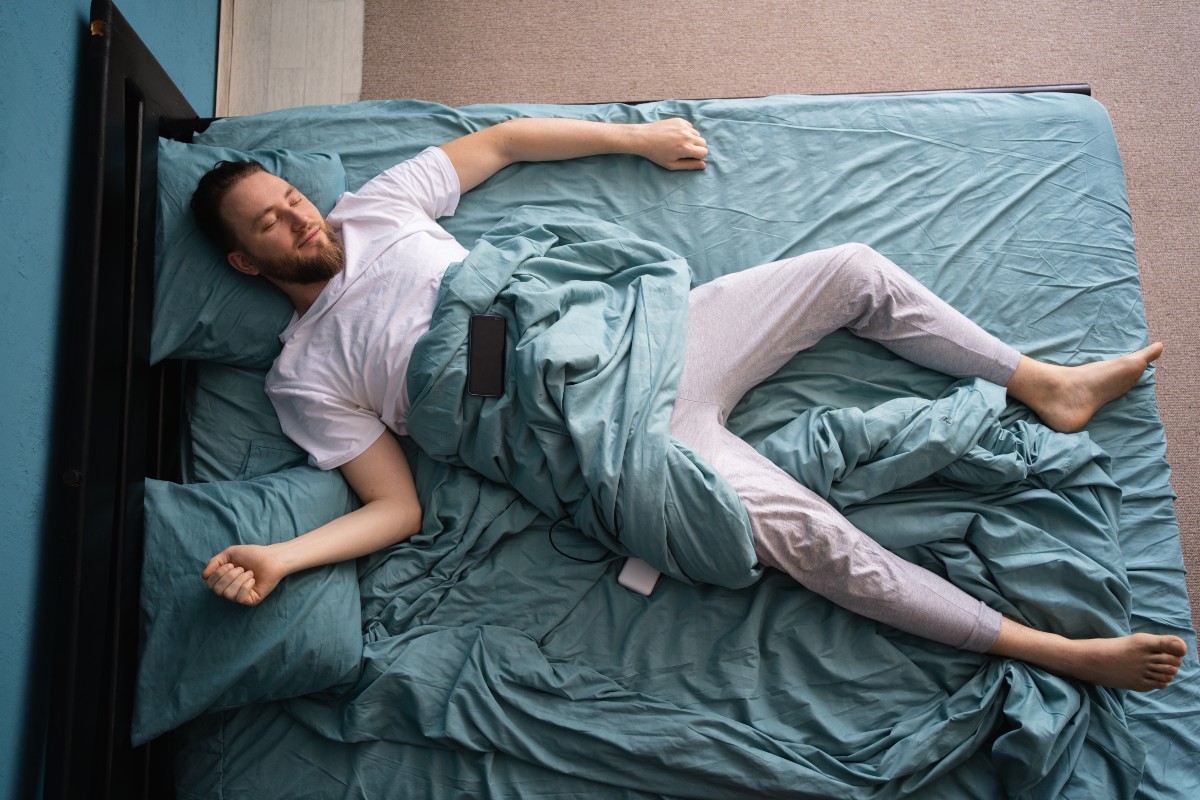
How to Train Yourself to Sleep in a Different Position
 Gemma Henry
So, you've made the big decision: you're going to stop sleeping in that position that you know isn’t very good for you. Or, if you’re still thinking about it, hopefully this post will give you just the advice you need to make the change.
It may or may not come as surprising news that we all have a default sleep position. We all likely found it sometime during childhood, and it’s become as natural as putting on your socks in the morning. So, trying to change or adjust the way you sleep can feel unnatural, frustrating, and even a bit pointless at 2am when all you want is to rest for the upcoming day.
But trust me – with a bit of patience and some of our helpful tips, it is possible to train yourself to sleep in a different position. And it might very well just be the best thing you ever do for your body and brain.
1. First up: understand 'why'
Before we get into the how, let’s talk about the why. When you're three nights deep into this experiment, half-asleep and considering giving up, having a good reason will likely give you the motivation to keep going.
Here are a few common reasons people want to change how they sleep:
-
Back pain: Sleeping on your stomach can interfere with your spine alignment.
-
Snoring or sleep apnoea: Sleeping on your back can make things worse (1).
-
Pregnancy: Side sleeping, particularly on the left, improves blood flow.
-
Wrinkles (yes, seriously): Stomach and side sleeping can squish your face into the pillow for hours (2).
-
Better digestion: Sleeping on your left side can help reduce acid reflux (3).
Just remember, your reason doesn’t need to be medical. Maybe you’re just tired of waking up drooling on your arm or tangled in the duvet. That’s valid too.
2. Choose your new sleep position wisely
There’s no one-size-fits-all position, but here’s a quick rundown of the pros and cons:
Back sleeping
-
Ideal for good spinal alignment, avoids the risk of face wrinkles
-
Can potentially worsen snoring and sleep apnoea
Side Sleeping
-
Can be great for aiding digestion, reduces snoring, comfortable during pregnancy
-
Can cause shoulder pressure, also potential for wrinkle development
Stomach Sleeping
-
Some people may find this position helps to reduce snoring
-
Not ideal for back and neck alignment, difficult to breathe properly
Make sure to choose a sleep position that you think you can commit to long term, as well as the one which will be most beneficial for what you need. And, lucky for you we’ve got blog posts dedicated to tips for side sleepers, tips for back sleepers, and tips for stomach sleepers too. Check them out to learn more about each of these different sleep positions and work out which is right for you.
3. Up your pillow game
Changing sleep positions without changing your pillow setup is like switching from tea to coffee and still using a teabag (pointless!). We have a broad range of pillows at various prices, including several available that are tailored to specific sleeping positions.
Depending on your new position, here’s what you’ll want:
-
Back sleepers: One medium-firm pillow under your head, and one under your knees to keep your spine in a happy place.
-
Side sleepers: A supportive head pillow to keep your neck aligned, one between your knees, and maybe even a hug pillow for good measure.
-
Stomach sleepers (if you must): Use a thin pillow or no pillow under your head, and consider another pillow under your hips to reduce back strain.
Don’t be afraid to go for the pillow fort method or buy extra pillows to keep yourself in place, it could help you adjust and might just make the transition that bit easier.
4. Ease yourself into it
Changing sleeping positions is tricky business, for some it can be a longer process and it’s important to allow yourself time to adjust, for others it may feel natural straight away. Just remember, everyones different so results won’t be the same for all.
A potential way for you to start off:
-
Start with naps: If you have the luxury of being able to take naps, then try to practise during daytime rest or short lie-downs before committing fully overnight.
-
Wind-down in your new position: Help your body and mind to adjust by reading, or listen to a podcast in your new position to help your body associate it with relaxation.
-
Reposition gently at night: If you wake up in your old sleeping pose, don’t stress – just shift back. No guilt trips needed and staying calm will help you drift back off.
Think of it like sleep yoga. You’re slowly retraining your body over time.
5. The duvet trick & pyjama psychology
Here’s one you might not think of: your bedding could be working against you. If you’re used to sleeping on your side, your duvet may already be bunched in a certain way, practically inviting you back into your old position.
Try these ideas:
-
Fold or tuck your duvet in another direction to suit your new sleeping position.
Utilise rolled-up blankets, towels or additional pillows to block yourself from rolling back over.
-
Wear pyjamas that feel different or snugger – it can help to give your brain a subtle physical cue that “this is a comfier new sleep setup.”
Little changes can have a surprisingly big impact.
6. Check in with your body
Changing sleep position can help you in the long run, but if it does seem like it’s making things worse (e.g. you’re waking up with neck pain you never had before), it’s probably worth tweaking your pillow or mattress setup, as well as re-evaluating if the new sleeping position you’ve chosen is the right one for you.
If you find yourself waking up more tired or uncomfortable than usual after two solid weeks, consider speaking to a GP, physio, or sleep specialist. Just to rule out the possibility that there isn’t something more sinister going on.
7. Make it a ritual, not a chore
Here’s the secret hack: make it feel nice. Add things personal to you that make your new position feel like a treat, not a punishment.
-
Nice clean sheets? Yes.
-
A calming bedtime playlist? Definitely.
-
A warm herbal tea before bed to ease the wind-down? Lovely.
-
Anything else that would help you as an individual embrace the change.
The more positive the experience, the more your brain will start to accept this new habit.
Final thoughts
Changing your sleep position might not sound like that big of a deal – until you actually try to do it. But make sure to motivate yourself to stick with it, and your future self - the one waking up refreshed and ache-free - will most certainly thank you.
Don’t be afraid to start small and be patient, rushing into change isn’t going to be a magic solution either. And don’t forget – sleep isn’t one-size-fits-all. What really matters is choosing to do what helps you feel your best, that’s the goal.
So treat yourself to those pillows, find your new groove, and drift off to bliss in your chosen new sleeping position, knowing that deep down you’re doing something good for your body.
Sources:
Gemma Henry - Content Lead
Gemma finds sleep fascinating and describes the discovery aspect of her role as eye-opening. Her keen eye for detail and dedication to thorough research ensures that Bensons customers get the informative sleep-based advice they're looking for.