Which Bed Frames Are Easy to Move and Transport?
 Gemma Henry
Moving house in the UK has a funny way of making you question every piece of furniture you own. That wardrobe you loved? Massive. The sofa? Somehow wider than the doorframe. And the bed frame? Often the biggest culprit of all.
Whether you’re relocating to a new city, shifting into a flatshare, sending a uni student off to halls, or just rearranging rooms, the bed frame can be the most awkward item to deal with. It’s bulky, sometimes heavy, and rarely cooperative when faced with narrow staircases or tight Victorian terraces.
The good news is that not all bed frames are equally difficult to move. Some are genuinely designed with transport and reassembly in mind. If you’re buying new and know you’ll be moving again in the future or just want something less stressful to deal with, here’s a closer look at the easiest bed frames to move and transport.
Flat-Pack Beds: Designed to Be Taken Apart
Flat-pack furniture often gets a bad reputation. But when it comes to moving house, it can be your best friend.
Flat-pack bed frames are built to be assembled and disassembled. That’s the whole point. They break down into compact panels and rails that can be stacked, wrapped and transported without too much drama.
The advantages include:
-
Smaller, lighter components
-
Standardised fittings
-
Predictable reassembly
As long as you keep the instruction manual (or at least take photos during dismantling), putting a flat pack bed back together in your new place shouldn’t be a nightmare.
A quick tip: always keep screws, bolts and fittings in a clearly labelled bag. Tape it to one of the larger bed components if you can. Losing that tiny Allen key at 9pm after a long moving day is not a pleasant experience.
Metal Frame Beds: Lightweight and Surprisingly Practical
Metal bed frames don’t always get the same attention as wooden or upholstered designs, but they’re often one of the easiest types to transport.
Many metal frames are:
-
Lighter than solid wood
-
Made of hollow tubing
-
Built with slot-in or simple bolt systems
Because the materials are thinner and less bulky, they’re easier to carry down stairs or manoeuvre through tight landings. Once dismantled, the longest pieces are usually narrow enough to manage comfortably.
Another bonus is durability. Metal doesn’t scuff in the same way as painted wood or fabric, though it’s still wise to wrap parts in blankets to protect both the frame and your walls.
If your main priority is practicality rather than aesthetics, a metal frame is a solid, low-fuss option.
Slatted Frames with Removable Legs
This design feature might seem minor, but removable legs can make a significant difference.
A bed frame with detachable legs:
- Reduces overall height during transport
- Makes stacking parts easier
- Prevents awkward protrusions
When legs are fixed in place, they can catch on door frames or make wrapping the frame more difficult. Being able to unscrew them quickly simplifies the whole process.
These types of frames are especially useful in properties with narrow staircases — something that’s very common in UK homes.
Modular Beds: Built for Flexibility
Some modern bed frames are specifically designed to be modular. This means they’re made from smaller sections that connect together rather than a few large, heavy components.
The benefits include:
- Easier lifting and carrying
- More compact storage
- Greater flexibility during transport
Modular designs are popular in urban flats where space is limited and frequent moving is more common. They’re often styled to look contemporary and minimal, which helps them blend into different types of homes.
If you expect to move every year or two, modular furniture can save you a lot of hassle in the long run.
Foldable or Collapsible Beds: Maximum Portability
While not always suited for permanent master bedrooms, foldable or collapsible bed frames are unbeatable when it comes to transport.
They are ideal for:
- Guest rooms
- Spare rooms
- Temporary accommodation
- Student lets
Some designs fold completely flat, while others collapse inward in sections. Because they’re built with storage in mind, they’re also easy to tuck away in a cupboard or loft when not in use.
The trade-off is that they may not offer the same long-term sturdiness or visual appeal as a full traditional frame. However, for convenience, they are extremely practical.
Bed Frames That Are Harder to Move
If ease of transport is your priority, there are certain styles you may want to think twice about.
Upholstered and Fabric Frames
These look great and feel luxurious, but they’re often bulky and heavy. The fabric can snag or stain during a move, and the padding adds weight. Even when dismantled, the components are usually thick and awkward.
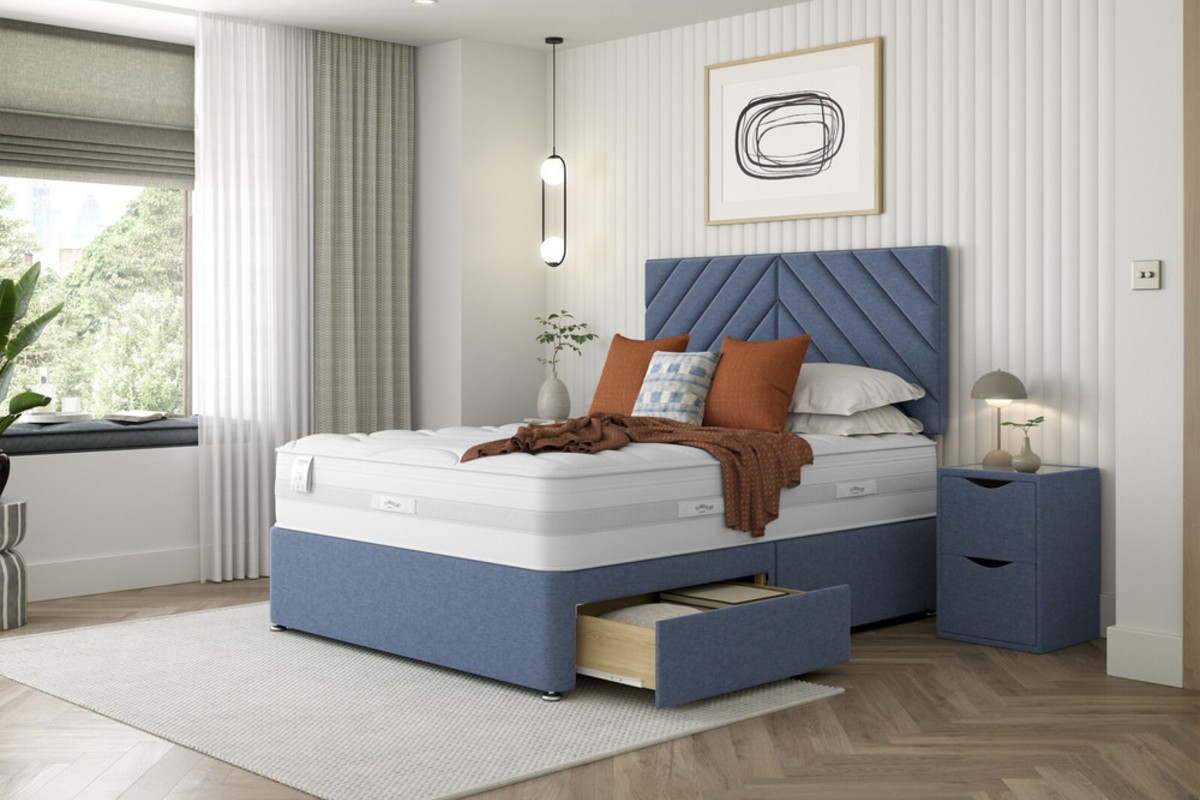
Divan Bases
Divan bases are typically made in large, solid sections. Even split divans can be cumbersome. They don’t dismantle in the same way as frame-style beds, which makes them trickier to manoeuvre.
That said, divan beds usually come in just a few separate pieces that are easy to take apart and fix back together. As such, if you’re worried about misplacing pieces, a divan bed could be a really great idea too.
Solid Wood Statement Frames
Beautiful? Absolutely. Easy to move? Not always. Thick timber components can be heavy, and some traditional designs aren’t intended to be repeatedly assembled and disassembled.
Practical Tips for Moving Any Bed Frame
Even the most transport-friendly bed frame benefits from some planning.
- Measure first. Check door frames, stairwells and hallway widths before you start.
- Photograph the assembly. A few quick photos before dismantling can save a lot of confusion later.
- Use protective wrapping. Old duvets, moving blankets and cardboard sheets help prevent scratches and dents.
- Disassemble fully. It might be tempting to leave parts partially assembled, but breaking the frame down properly usually makes moving much easier.
- Don’t rush reassembly. Once you arrive, take your time putting it back together. Tighten fittings securely and check for stability before placing the mattress on top.
Final Thoughts
If you want a bed frame that won’t cause unnecessary stress on moving day, look for simplicity. Flat-pack designs, modular frames and lightweight metal options are generally your safest bets. They’re designed to come apart cleanly, pack down neatly and go back together without any unnecessary drama.
On the other hand, heavy upholstered frames, divan bases and thick solid wood statement beds may look impressive, but they can turn a straightforward move into a logistical headache.
Ultimately, the easiest bed frame to move is one that’s been designed with practicality in mind. If you know you’re likely to relocate again (which many people in the UK do) choosing a transport-friendly design now could save you a great deal of effort later.
Gemma Henry - Content Lead
Gemma finds sleep fascinating and describes the discovery aspect of her role as eye-opening. Her keen eye for detail and dedication to thorough research ensures that Bensons customers get the informative sleep-based advice they're looking for.