



The Biggest Furniture Buying Mistakes (And How To Avoid Them!)
 Leanne Truscott
Whether it's a broken washing machine, a cracked phone screen or a mattress that didn't live up to expectations, expensive mistakes have a habit of creeping up on us. Some are genuine accidents, whilst others happen before we've even brought something home.
New research from Bensons for Beds has revealed that the average Brit spends £777 a year fixing costly household mistakes. The research also found that half of Brits regret buying cheaper household items in the first place, suggesting that trying to save money upfront can often become an expensive false economy.
The good news? Many of the most expensive mistakes are avoidable. Here's how to spot them before they happen.
The Household Mistakes Costing Brits the Most
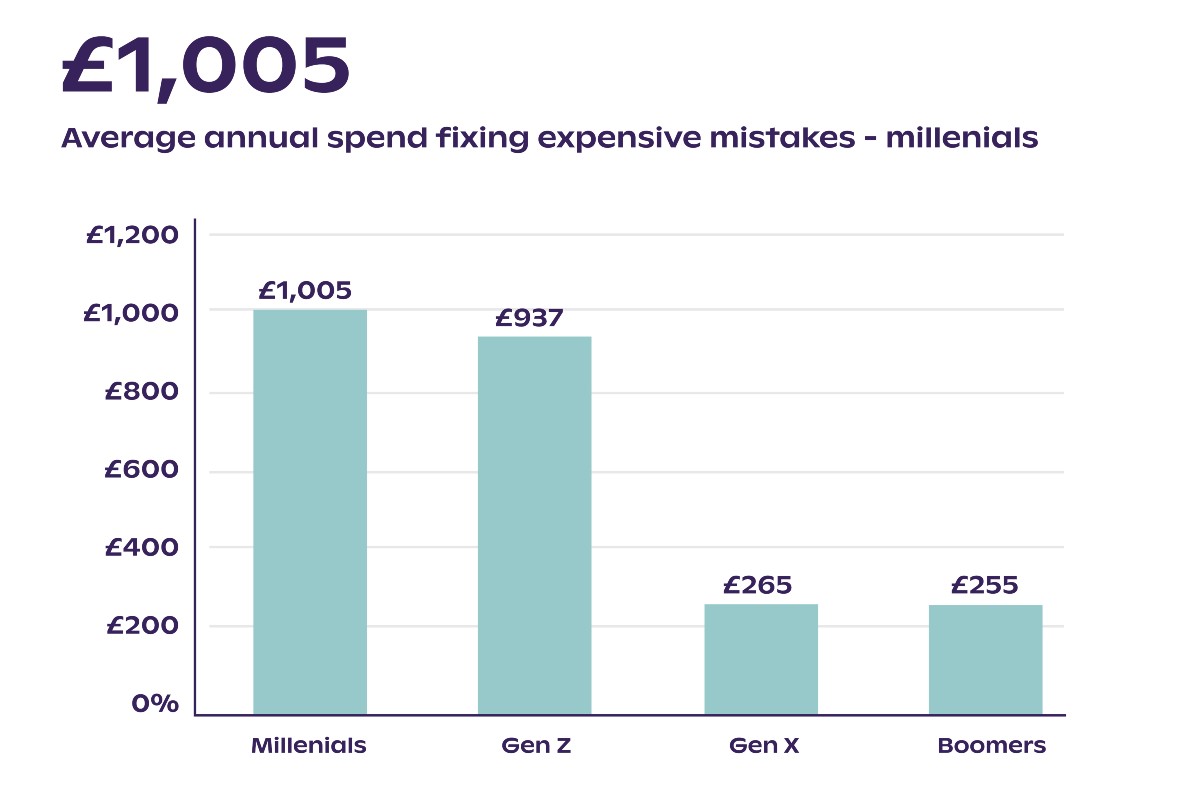
From DIY disasters to accidental damage, expensive mishaps are surprisingly common, with the average Brit spending £777 every year putting household mistakes right.
For younger generations, the bill is even higher, with Millennials spending an average of £1,005 a year fixing costly mistakes, while Gen Z isn't far behind at £937 - both are significantly higher than older generations. Whether that's because they're furnishing first homes, raising young families or simply replacing more household items, it's a reminder that the true cost of owning a home often goes beyond the original purchase price.
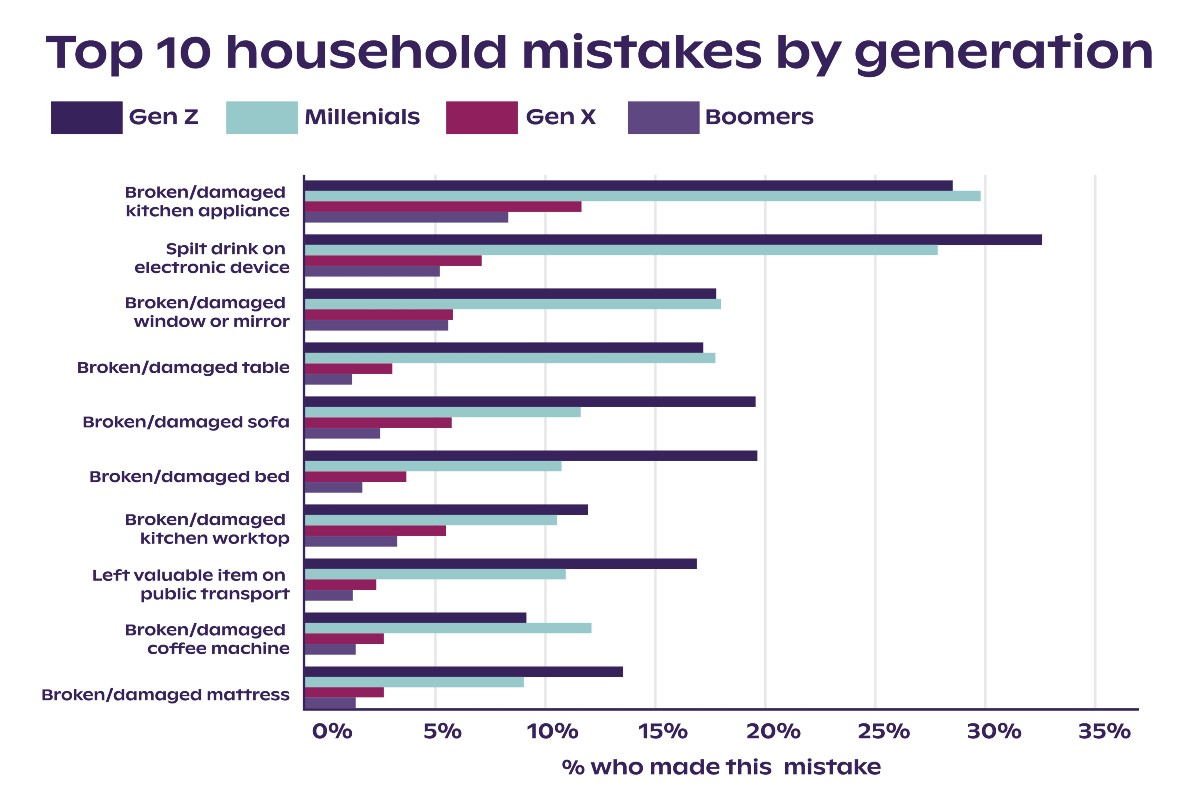
Some of the most common expensive mistakes include:
- Broken or damaged a kitchen appliance (19%)
- Spilt a drink on an electronic device (17%)
- Broken or damaged a window or mirror (11%)
- Broken or damaged a table (9%)
- Broken or damaged a sofa (9%)
While accidents can't always be prevented, there are other expensive mistakes that are far easier to avoid.
The Furniture Purchases Brits Regret Buying Cheap
Buying cheap can often end up being an expensive mistake in the long run. When we asked people which household purchases they wished they'd spent more on, the results were revealing.
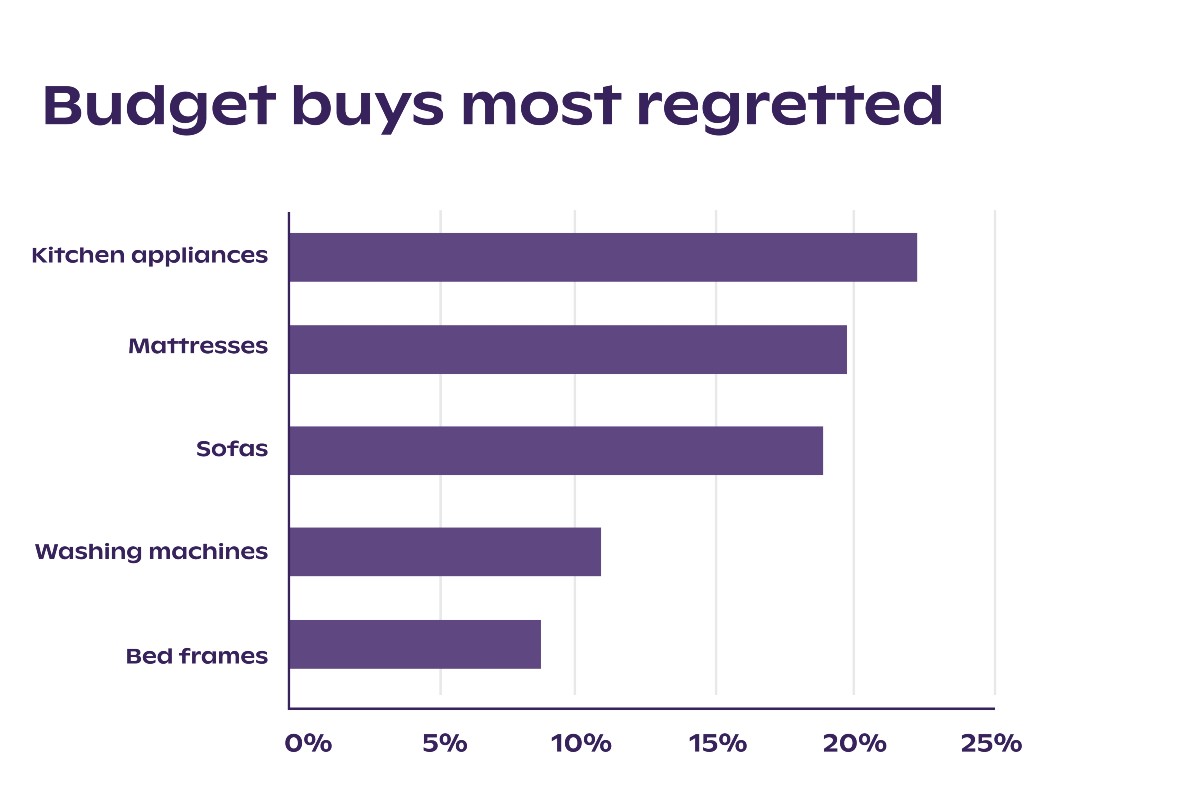
These aren't impulse purchases, they're products we're expecting to live with for years. It seems that choosing the cheapest option can feel like the sensible decision at the time, but when comfort, quality or durability falls short, replacing an item sooner than expected often means paying twice.
Why it's Worth Investing in a Quality Mattress
“The best mattress isn't necessarily the most expensive one, it's the one that's right for your sleeping position, body type and comfort preferences” says James Wilson, our resident Sleep Expert.
“Taking the time to compare different mattress types, test them where possible and buy from a trusted retailer can help you avoid an expensive buying mistake.
“Unlike many pieces of furniture, your mattress affects far more than just how your bedroom looks. It's where you spend around a third of your life! The right mattress supports your body while you sleep, can help alleviate health and sleep issues such as back pain, snoring, and allergies, and helps you wake feeling refreshed and ready for the day ahead,” adds James.
A poor-quality mattress, on the other hand, may lose its support more quickly, become uncomfortable or need replacing earlier than expected. That's why nearly one in five Brits say they wish they'd spent more on their mattress.
Interestingly, younger adults feel this more than anyone else, with one in four Millennials saying they regret not investing more in their mattress, compared with fewer than one in ten Baby Boomers and Gen X respondents.
“Whether this is because they're furnishing a first home on a tighter budget or trying to balance rising living costs, it's a reminder that choosing purely on price doesn't always represent the best value.” says James.
How Long Should a Mattress Last?
One of the biggest questions people ask before buying a mattress is how long it should last. While every mattress is different, a good-quality mattress lifespan is typically around seven to ten years, depending on its construction, how often it's used and how well it's cared for.
If your mattress is approaching this age, it may be time to think about replacing it, particularly if you notice the following:
- Waking up sore: “If you're waking up with a stiff back, sore hips, or general aches that ease once you're up and moving, your mattress is probably no longer supporting you properly,” says James.
- Creaking springs or lumps: “Listen for creaking springs or feel for a lumpy, uneven surface. These are physical signs the internal structure has broken down,” advises James.
- Comfort struggles: “Struggling to get comfortable no matter how you lie? A mattress that's lost its shape often stops adapting to your body the way it used to,” says James.
Replacing a worn mattress isn't just about comfort; it's about ensuring you're getting the support your body needs every night.
How to Choose the Right Mattress and Avoid Costly Mistakes
Buying a mattress doesn't need to be overwhelming. A little research before you buy can save both money and frustration later. Here are a few things worth considering according to James Wilson, Benson’s in-house sleep guru:
1. What’s your preferred sleeping position?
“Your preferred sleeping position has a significant impact on your ideal mattress type as it determines the alignment of your spine” says James.
“If you share your bed with a partner, always check their preferred position too. Benson’s offers options tailored for you and your partner, whether you’re a side, back, front, or mixture-of-all-three-kind-of-sleeper.”
2. Do you have any sleep or health issues which should be factored into your choice of mattress?
“Do you struggle with back pain, soreness or arthritis? Perhaps you have allergies?” Says James.
“Investing in a quality mattress that suits your individual needs will not only improve your quality of sleep, but your overall health too. Benson’s have options that cater for different issues – be they around back ache, temperature regulation, allergies, snoring, and more.”
3. How firm would you like your mattress?
“Every mattress retailer and brand has slightly different firmness ratings, and the right firmness rating for you varies depending on a few factors, including weight, shape and personal preference.” says James.
“After all, some people like the cosy cushioning of a soft mattress while others prefer a firm mattress while they sleep. At Bensons, they’ve simplified that into their four mattress firmness scales, which you can use to match to your needs.”
Why Buying a Quality Mattress can Save You Money in the Long Run
No one can avoid every expensive mistake, accidents happen, appliances break and life has a habit of throwing up unexpected costs. But many of the most expensive regrets begin long before something needs repairing.
Taking a little more time to compare products, understand what's included and think about long-term value rather than short-term savings can help you avoid paying twice for the same purchase.
When it comes to furniture you'll live with every day, buying well the first time is often the smartest investment you can make.
At Bensons, we’re committed to offering great value on quality sleep products, which is why if you find the same product offered for less at a qualifying retailer, we won’t just match the price, we’ll beat it with our price match guarantee.
We’ll even go to extra lengths to ensure our customers enjoy a great night’s sleep by providing a Lifetime Guarantee.
FAQ
What are the biggest furniture buying mistakes?
Common mistakes include focusing solely on price, not considering how long a product should last, overlooking guarantees and buying without researching the right product for your needs.
What are the signs you need a new mattress?
Common signs include sagging, lumps, worn-out support, waking with aches and pains, poor sleep quality or finding you sleep better in other beds. For additional advice on how to tell if you need a mattress, check out our dedicated blog post here.
What should I look for when buying a mattress?
Think about your preferred sleeping position, the level of support you need, mattress materials, trial periods, guarantees and your budget. The best mattress is the one that suits your individual sleep needs rather than simply being the cheapest or most expensive option.
Is it worth spending more on a mattress?
A quality mattress is designed to provide better support, comfort and durability. While it may cost more initially, it can offer better value over its lifespan if it lasts longer and continues to provide the comfort you need. If you are looking to save money, make sure you do thorough research, check customer reviews and buy from a trusted retailer that can offer guidance, such as our fully trained instore team.
How long should a mattress last?
Most good quality mattresses have a lifespan of between seven and ten years, although this depends on the materials, usage and how well they're maintained.
What furniture do people most regret buying cheaply?
Our research found kitchen appliances, mattresses, sofas, washing machines and bed frames are the household purchases people most wish they'd invested more in.
How can I avoid expensive home buying mistakes?
Take time to research products, think beyond the upfront cost, compare guarantees and choose quality that's designed to last. Considering long-term value rather than just the lowest price can help you avoid costly regrets later.


