


How to Choose Between a Freestanding and a Built-In Wardrobe
 Gemma Henry
If you’re updating your bedroom, one of the biggest storage decisions you’ll face is whether to go for a freestanding wardrobe or a built-in one. It sounds straightforward, but the choice can completely change how your room feels, how flexible it is, and how well it actually works day to day.
In UK homes especially – where box rooms are common, alcoves are everywhere, and ceiling heights can vary wildly – your wardrobe choice isn’t just about style. It’s about making the most of every inch without boxing yourself into something you’ll regret in five years.
And then there’s the increasingly popular middle option: the semi-fitted wardrobe. It offers the sleek, tailored look of fitted furniture, but without permanently committing your room layout forever.
Let’s dive in and learn more.
Freestanding Wardrobes: Flexible, Familiar and Easy to Change
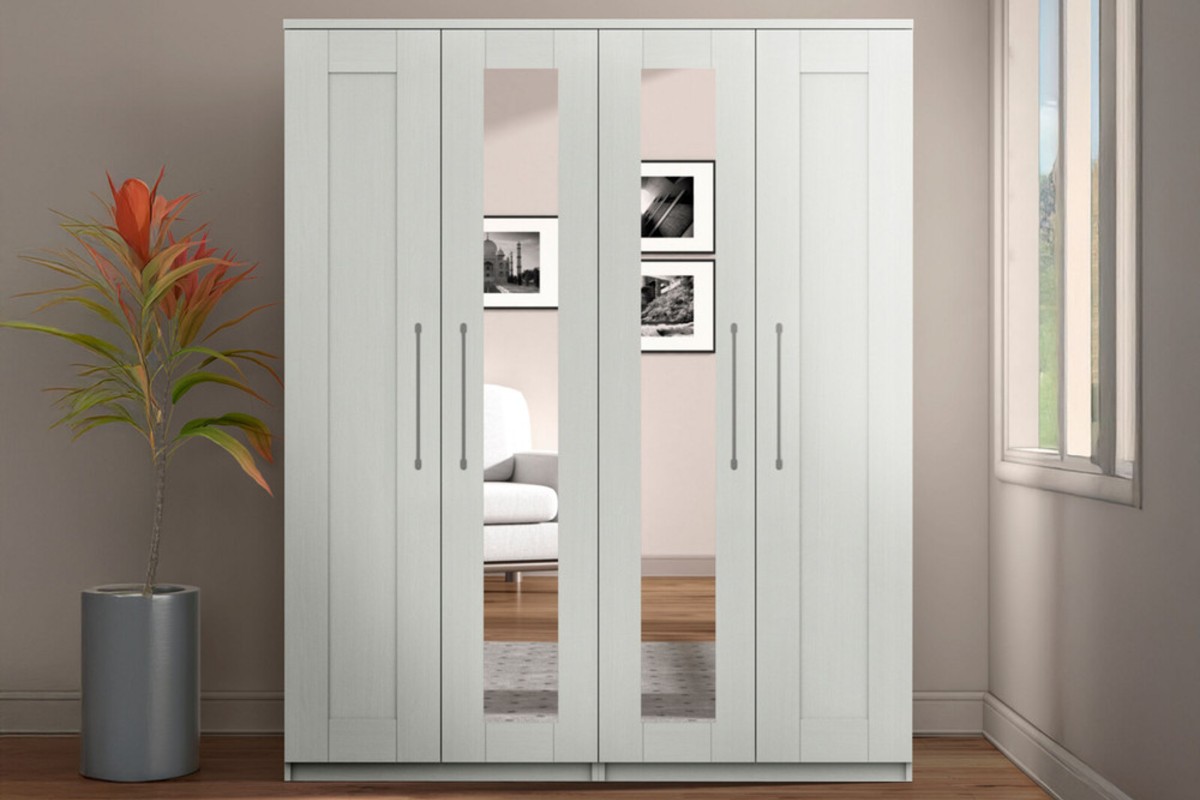
Freestanding wardrobes are what most of us grew up with. You buy one, assemble it, place it against a wall, and that’s that.
The biggest advantage? Flexibility.
If you decide to rearrange your room, the wardrobe can move. If you move house, it comes with you. If you change your mind about the layout entirely, you’re not stuck.
That freedom is a big deal.
Freestanding wardrobes also tend to be more budget-friendly upfront. You can find options at almost every price point, from basic flat-pack designs to solid wood statement pieces. There’s no need for specialist installation, measuring around skirting boards, or waiting weeks for a joiner. You buy it, build it, and you’re done.
But there are trade-offs.
In many UK bedrooms, freestanding wardrobes don’t use space efficiently. There’s often a gap above them collecting dust. There might be an awkward sliver of wall space on either side. In smaller rooms, that wasted space can make the whole layout feel slightly “off”.
They can also look a little temporary. Even expensive freestanding wardrobes sometimes feel like furniture that’s been placed into a room rather than integrated with it.
That’s not always a bad thing – but it’s worth noting.
Freestanding works brilliantly if:
-
You rent
-
You move regularly
-
You love rearranging furniture
-
You want minimal installation hassle
Built-In Wardrobes: Seamless and Space-Maximising
Built-in wardrobes (sometimes called fitted wardrobes) are designed specifically for your room. They’re measured precisely and typically installed floor-to-ceiling and wall-to-wall.
This is where they really shine: they use every bit of available space.
Alcoves beside chimney breasts? Perfect. Sloping ceilings? No problem. Narrow awkward walls? They can be designed around them.
Because they’re tailored to the room, they often look seamless. No gaps above. No unused corners. Everything feels intentional. In smaller UK bedrooms, that can make the entire space feel calmer and more streamlined.
Another big advantage is internal customisation. With fitted wardrobes, you can design the inside around how you actually live. More hanging space? Extra drawers? Shoe storage? Double rails? You’re not limited to a standard configuration.
But here’s the catch: they’re permanent.
Once they’re installed, they’re part of the room. You can’t just shift them to another wall. If you later decide the bedroom would function better with the bed in a different position, the wardrobe placement may dictate what’s possible.
They also cost more. Not just in money, but in commitment. Measuring, design appointments, installation time – it’s more of a project than simply buying furniture.
Built-in works best if:
-
You plan to stay long-term
-
You want maximum storage efficiency
-
You prefer a clean, architectural look
-
You’re confident about the room layout for years to come.
The Middle Ground: Semi-Fitted Wardrobes
This is where things get interesting.
Semi-fitted wardrobes combine elements of both freestanding and built-in designs. Typically, they use freestanding or modular units that are then styled, boxed in, or extended to create a fitted appearance.
From the outside, they can look fully bespoke. Floor-to-ceiling presence. Neatly framed sides. Possibly even bridging storage across the top. But crucially, they’re not always permanently built into the structure of the room.
And that changes everything.
The biggest appeal of semi-fitted wardrobes is that they give you the “fitted” look without completely removing flexibility.
For example, imagine a typical Victorian terrace bedroom with alcoves either side of a chimney breast. You could:
-
Place two freestanding wardrobes in the alcoves and leave gaps above them
-
Install fully bespoke fitted wardrobes either side
-
Or use well-sized modular wardrobes, extend them upward with top cabinets, add side panels, and paint everything the same colour as the walls.
That last option looks built-in. But if you ever need to remove or reconfigure it, you can.
It’s a clever compromise.
Semi-fitted wardrobes also tend to sit at a mid-range budget. You’re not paying for fully bespoke carpentry from scratch, but you are investing in a more considered finish than simply placing a standalone unit against a wall.
They’re especially popular in UK homes because so many bedrooms have alcoves that almost beg for a tailored solution – but not everyone wants the permanence of full fitted joinery.
Semi-fitted works well if:
-
You want a high-end look
-
You like the idea of flexibility
-
You’re working with alcoves or slightly awkward walls
-
You’re planning for the medium term rather than “forever”.
Key Questions to Ask Yourself
Before choosing, it’s worth thinking beyond just appearance.
1. How long will you live here?
If this is your long-term home, built-in wardrobes can be a worthwhile investment. If you’re likely to move within a few years, freestanding or semi-fitted might make more sense.
2. How often do you change your mind?
Some people set a room layout and never alter it. Others get bored every 18 months and shift everything around.
If you enjoy refreshing your space, a fully built-in wardrobe may feel restrictive. Semi-fitted gives you breathing room.
3. How tight is the space?
In small UK bedrooms, vertical storage makes a huge difference. A wardrobe that stops short of the ceiling can make the room feel less efficient. Built-in and semi-fitted designs usually win here.
4. What’s your realistic budget?
It’s easy to get carried away with aspirational Pinterest boards. Be honest about what you’re comfortable spending. Storage is important, but so is staying within budget.
Style and Atmosphere
Freestanding wardrobes often become feature pieces. They might contrast with your walls or stand out as furniture.
Built-ins tend to blend in. Many people paint them the same colour as the walls to create a calm, minimal feel.
Semi-fitted wardrobes can go either way. You can make them melt into the background or design them as subtle focal points.
In smaller bedrooms, colour matching to walls can make wardrobes feel less imposing. In larger rooms, contrast can add character.
Practical Considerations
Installation disruption matters.
Freestanding wardrobes involve assembly and maybe an afternoon of chaos.
Built-in wardrobes usually require measuring visits, installation days, and potentially redecorating afterwards.
Semi-fitted typically sits somewhere in between. There’s some installation involved, but it’s usually less invasive than full bespoke work.
If you’re living in the property during upgrades, that difference can feel significant.
So, Which Should You Choose?
There’s no universal right answer. It depends on your home, your habits, and your appetite for permanence.
Freestanding gives you freedom.
Built-in gives you precision and maximum efficiency.
Semi-fitted gives you the tailored, fitted look without locking you into a layout you might outgrow.
For many UK homeowners – especially those dealing with alcoves, chimney breasts and compact bedrooms – semi-fitted wardrobes are becoming the sweet spot. They balance design, practicality and flexibility in a way that feels realistic.
Ultimately, your wardrobe should work for your life, not restrict it.
Because good storage isn’t just about hiding clothes. It’s about making your room feel calm, usable and adaptable now, and in the years ahead.
Gemma Henry - Content Lead
Gemma finds sleep fascinating and describes the discovery aspect of her role as eye-opening. Her keen eye for detail and dedication to thorough research ensures that Bensons customers get the informative sleep-based advice they're looking for.


