


How to Wash a Mattress Protector Without Ruining It
 Gemma Henry
Mattress protectors are a lifesaver. They keep your bed clean, protect against spills, sweat, dust mites, and even a few accidental snacks that end up in your sheets. But let’s be honest, they can get a bit… grimy over time. The tricky bit is washing them without wrecking the waterproof layer or shrinking the fabric. Don’t worry, I’ve got you covered. Here’s everything you need to know about keeping your mattress protector clean and cosy without turning it into a stiff, soggy mess.
Can Your Machine Wash a Mattress Protector?
Yes, in most cases you absolutely can. Mattress protectors are generally made to withstand a standard wash, but there are a few things to keep in mind.
First off, check the label. Some mattress protectors have special instructions, especially waterproof ones. Most cotton or polyester protectors are fine in the machine but avoid anything with delicate embroidery or memory foam layers unless the label explicitly says machine washable.
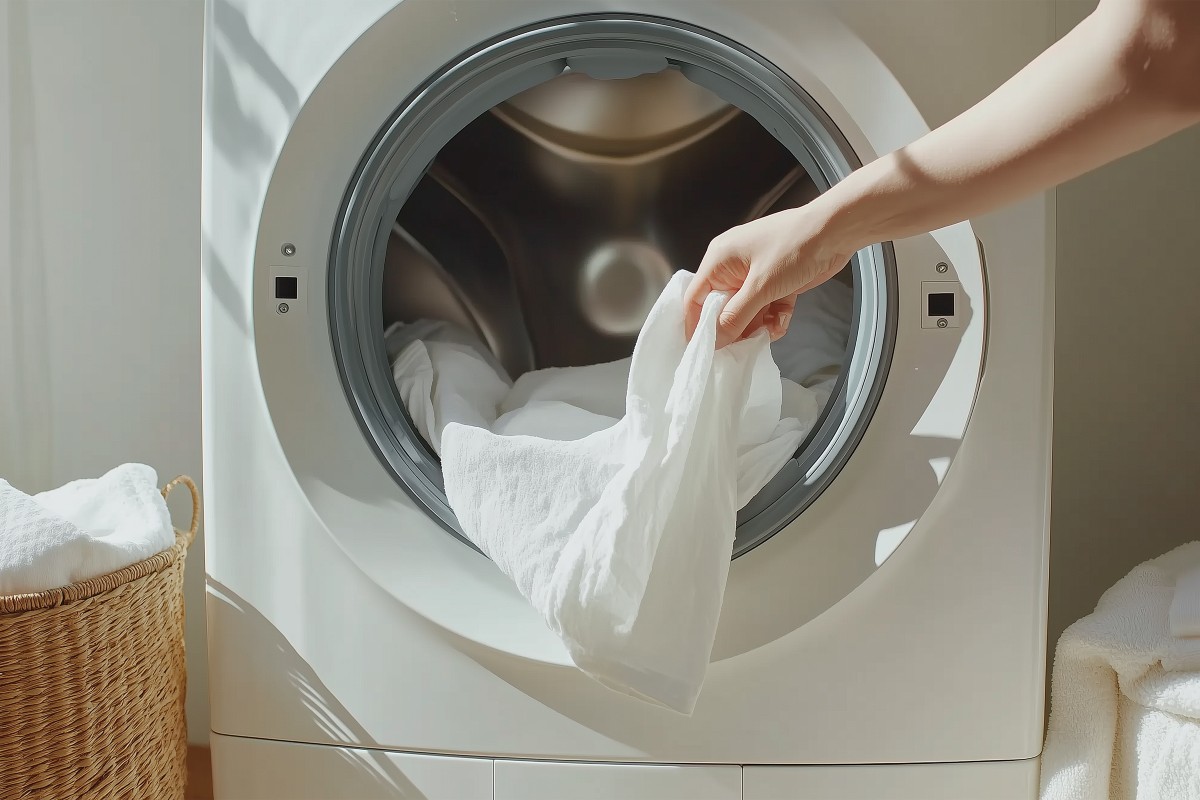
When you place it in the wash, be careful that you don’t overload the machine. Mattress protectors are bulky, and they need space to move around. A tight squeeze can prevent them from getting properly clean and might even damage the waterproof layer over time. Use a gentle or normal cycle depending on the fabric, and mild detergent is your friend. Strong chemicals, bleach, or fabric softeners can break down waterproofing and reduce the lifespan of your protector.
How to Dry a Mattress Protector Properly
This is where a lot of people go wrong. Tossing a mattress protector into a hot dryer can ruin the waterproof membrane or cause shrinkage. The safest approach is to air dry whenever possible. Hang it over a clothesline, a radiator (if it’s not too hot), or a drying rack. Make sure it’s fully supported so the fabric doesn’t stretch in awkward places.
If you’re really keen on using a tumble dryer, choose low heat or air‑dry settings. High temperatures can warp the waterproof layer, leaving you with a protector that’s either cracked or shrunk. Some brands also suggest flipping it inside out before drying to protect the top surface.
Best Way to Clean a Waterproof Mattress Protector
Waterproof mattress protectors are tricky because they usually have a thin layer of polyurethane that stops liquids from reaching your mattress. That layer also doesn’t like harsh chemicals or super hot water.
The best way to clean a waterproof protector is:
-
Spot clean first. If there are minor stains or spills, use a damp cloth with a bit of mild detergent to gently blot the area. Don’t rub aggressively, or you might damage the waterproof layer.
-
Machine wash carefully. Use cold or lukewarm water on a gentle cycle with mild detergent. Avoid bleach and fabric softener because they can break down the waterproof coating.
-
Air dry. Hang or lay flat to dry. Avoid ironing or tumble drying on high heat.
Extra tip: don’t over-wash. A waterproof protector is designed to handle spills, sweat, and dust mites, so you don’t need to wash it every week.
What Temperature to Wash a Mattress Protector
Temperature matters, especially for both hygiene and longevity. For most protectors, 30°C to 40°C is ideal. That’s warm enough to clean out dust, sweat, and everyday grime, but gentle enough to protect the waterproof layer.
If your mattress protector is cotton or polyester without waterproofing, a hotter wash of 60°C is sometimes recommended to kill dust mites and bacteria. However, if there’s any waterproof layer, hot water can warp it or cause it to delaminate.
So, check the label first, then pick a cycle and temperature that balances hygiene with durability. A longer wash on a lower temperature is often better than a short, hot cycle that could damage the fabric.
How Often Should You Wash a Mattress Protector?
This depends on your lifestyle. If you sweat a lot at night, have pets that jump on the bed, or occasionally eat in bed, a wash every 1–2 months is reasonable.
For regular sleepers without pets or spills, washing every 3–6 months is usually enough. Mattress protectors are doing a lot of heavy lifting just by preventing stains and keeping dust mites at bay, so they don’t need weekly laundering like sheets do.
Also, remember to wash the protector when it gets visibly dirty or if there’s been a spill. Over washing can reduce the waterproofing effectiveness over time, so stick to a sensible schedule.
Wrapping It Up
Mattress protectors are easy to take for granted until something spills on the bed or your sheets start smelling a bit off. The key to washing them without ruining them is simple: gentle cycles, mild detergent, cool water, and air drying. For waterproof protectors, be extra careful with heat and chemicals.
Following these steps will keep your mattress protector in good shape for years, saving your mattress from stains, dust mites, and general wear and tear. Your bed will stay fresher, cleaner, and much more comfortable, and you won’t have to worry about laundry disasters along the way.
A little care goes a long way, and your mattress (and your sleep) will thank you for it.
Gemma Henry - Content Lead
Gemma finds sleep fascinating and describes the discovery aspect of her role as eye-opening. Her keen eye for detail and dedication to thorough research ensures that Bensons customers get the informative sleep-based advice they're looking for.


