Spring vs Foam Mattress: Which is Right for You?
 Emma Carlton
Shopping for a new mattress sounds simple… until you actually start looking. Suddenly you’re drowning in buzzwords, bold claims, and about a hundred options that all promise “the best sleep of your life”. One of the biggest decisions you’ll face early on is spring vs foam mattress. So, which one’s right for you?
Let’s break it down simply and help you figure out what will actually work for your sleep.
The basics: what’s the difference?
At the most basic level, it comes down to what’s inside the mattress.
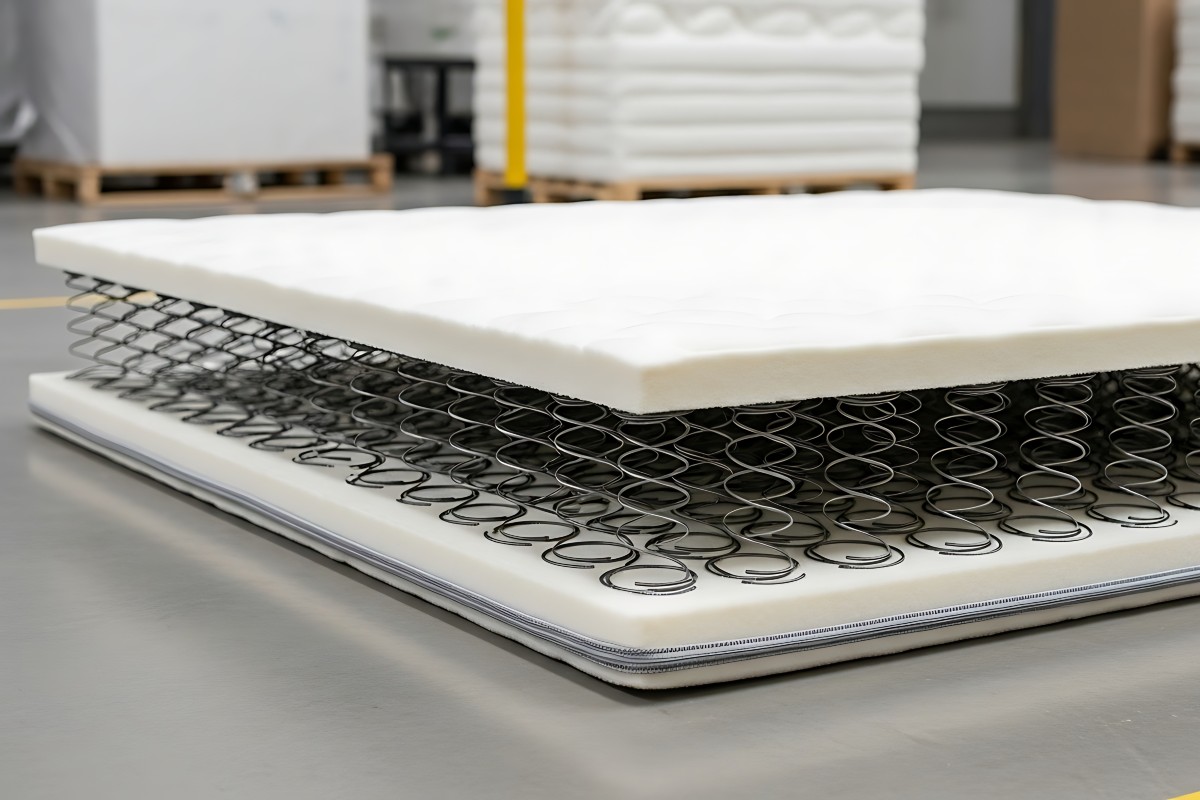
Spring mattresses (also called innerspring mattresses) use metal coils for support, usually topped with layers of padding or upholstery.
Foam mattresses are made entirely from foam layers – often memory foam, but sometimes latex or other modern foams.
Both can be comfy. Both can be awful. It’s all about how they suit you.
Spring mattresses: the traditional choice
Spring mattresses have been around forever, and for good reason.
Pros of spring mattresses
-
They feel bouncier: If you like a bit of “push back” when you move or sit on the bed, springs deliver that classic bounce. It’s easier to change positions compared to sinking into foam.
-
They tend to sleep cooler: Air flows more easily around coils, which helps heat escape. If you’re someone who wakes up hot and flustered, springs can be a good shout.
-
Edge support is usually better: Sitting on the side of the bed? Springs tend to hold their shape better, which is handy if you don’t want that sliding-off feeling.
-
Often cheaper upfront: Traditional spring mattresses can be more affordable, especially at entry level, though prices vary massively.
Cons of spring mattresses
-
Motion travels: If your partner tosses and turns, you’re more likely to feel it – especially with older or cheaper open-coil designs.
-
They can wear unevenly: Over time, springs may sag, especially where you sleep most. Pocket-sprung mattresses do better here, but it’s still something to consider.
-
Less contouring: Springs don’t hug your body in the same way foam does. If you like that “cradled” feeling, springs might feel a bit lacklustre.
Foam mattresses: the modern favourite
Foam mattresses have exploded in popularity, thanks in part to bed-in-a-box brands and online shopping.
Pros of foam mattresses
-
Brilliant pressure relief: Foam moulds to your body, spreading your weight evenly. This can be great for sore shoulders, hips, or lower backs.
-
Excellent motion isolation: If you share a bed with a wriggler (or a pet), foam absorbs movement well, so you’re less likely to be disturbed.
-
Quiet and solid: No creaks, no squeaks, no springs pinging at 3am. Foam mattresses are blissfully silent.
-
Good for awkward bed frames: They work well on slatted bases, platform beds, and even adjustable frames.
Cons of foam mattresses
-
Heat can be an issue: Some foam mattresses trap warmth, especially cheaper memory foam. Many brands now add cooling gels or breathable layers, but not all are equal.
-
Less bounce: If you like a responsive, springy feel, foam can feel a bit… sluggish.
-
Edge support can be weaker: Sitting on the side may feel less stable unless the mattress has reinforced edges.
Sleeping position matters (a lot)
Your favourite sleeping position can tip the balance.
-
Side sleepers: Foam mattresses usually win here. The contouring helps cushion shoulders and hips, keeping your spine aligned.
-
Back sleepers: Both can work. Foam offers support and pressure relief, while springs give firmer, more lifted support. It all comes down to preference.
-
Front sleepers: You’ll want something firmer to avoid sinking too much. Firmer spring mattresses or high-density foam can both work, but avoid anything too soft.
What about body weight?
This is one of those things mattress adverts rarely mention, but it matters.
-
Lighter sleepers often prefer foam, as it responds even with less weight.
-
Heavier sleepers may find springs (especially pocket springs) offer better long-term support and durability.
That said, high-quality foam mattresses can absolutely handle higher weights – it’s more about build quality than material alone. Curious about matching a mattress to your body weight? Check out our dedicated guide here.
Durability and lifespan
A mattress is an investment, so you want it to last.
-
Spring mattresses: Pocket-sprung models generally last longer than open-coil ones. Cheaper springs may sag after a few years.
-
Foam mattresses: High-density foam holds up well, but low-density foam can develop body impressions fairly quickly.
As a rough guide, expect 7–10 years from a decent mattress, regardless of type.
Price: what should you expect to pay in the UK?
You don’t need to remortgage your house, but super-cheap mattresses are usually cheap for a reason.
-
Spring mattresses: Budget options start low, but good pocket-sprung models sit in the mid to higher price range.
-
Foam mattresses: Often mid-priced, especially online brands. Premium foams can be pricey but come with longer warranties.
Always check trial periods and returns.
So… spring or foam?
There’s no universal “best”, just what’s best for you.
Choose a spring mattress if:
-
You sleep hot
-
You like a firmer, bouncier feel
-
You sit on the edge of the bed a lot
-
You prefer a more traditional mattress
Choose a foam mattress if:
-
You want pressure relief and contouring
-
You share a bed and hate being disturbed
-
You like a softer, more enveloping feel
-
You want something modern and quiet
Still unsure? Hybrid mattresses (springs + foam) combine elements of both and can be a brilliant compromise.
At the end of the day, the best mattress is the one that helps you wake up feeling human. Try before you commit, trust your body over marketing hype, and don’t be afraid to send it back if it’s not right. Your sleep is worth it.