
Free min 5 year guarantee
On beds, mattresses & furniture
0% APR interest free credit*
On orders over £500
300,000+ reviews
National Bed Retailer of the Year
2025-2026

Our Mission

Well, naturally we wanted to find out everything there is to know about British sleep habits and how our sleep patterns can affect us. That’s why we’ve scoured our sources and created this Great British Sleep Summary. A one-stop info shop for everything in the land of nod.As it turns out, we’ve got plenty of good habits, a few bad and a couple that truly set us apart from other countries. Let’s take a look.

As it turns out, we’ve got plenty of good habits, a few bad and a couple that truly set us apart from other countries. Let’s take a look.

General Sleep Stats & Habits

We all know that sleep is essential and if we a) don’t get enough of it, or b) don’t get quality sleep, we feel terrible the next day… just ask anyone with a newborn! 

But what happens when we consistently don’t get enough sleep? Well, as it turns out, it’s not just parents who could do with catching a few more ZZs. Millions of Brits are sleep deprived and it can have significant and unexpected consequences on society as a whole.

Sleep Quantity

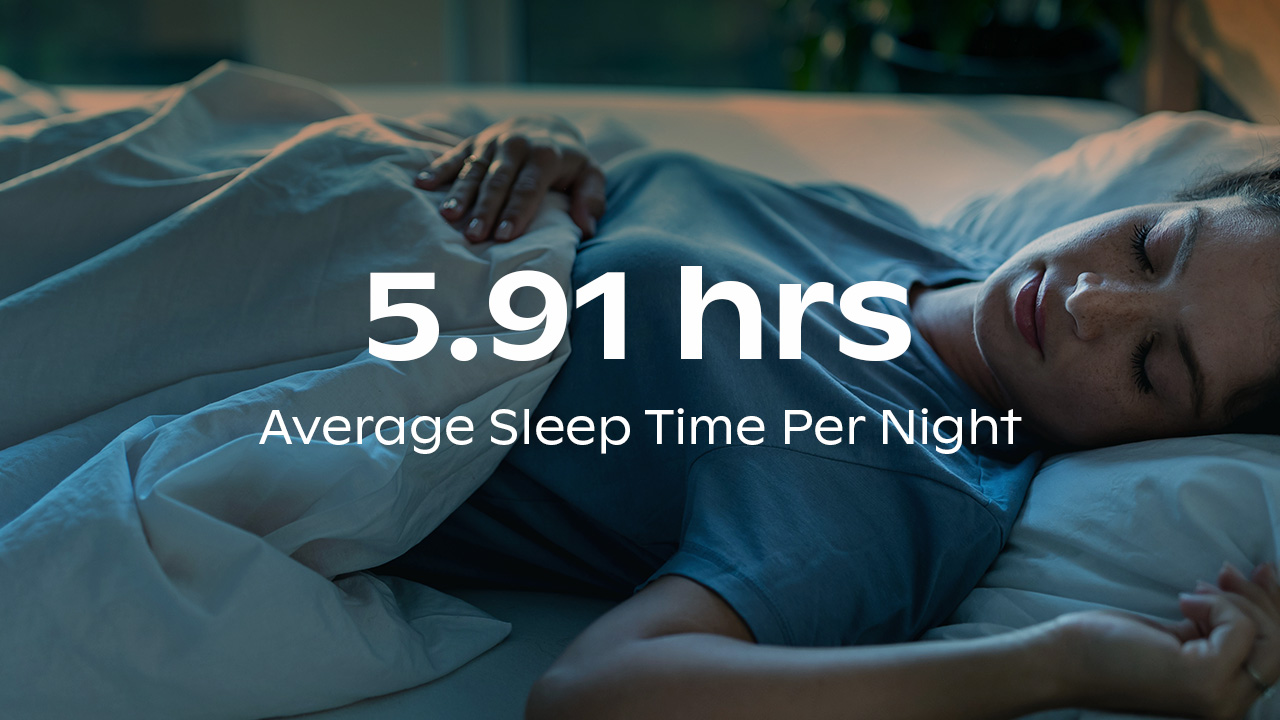
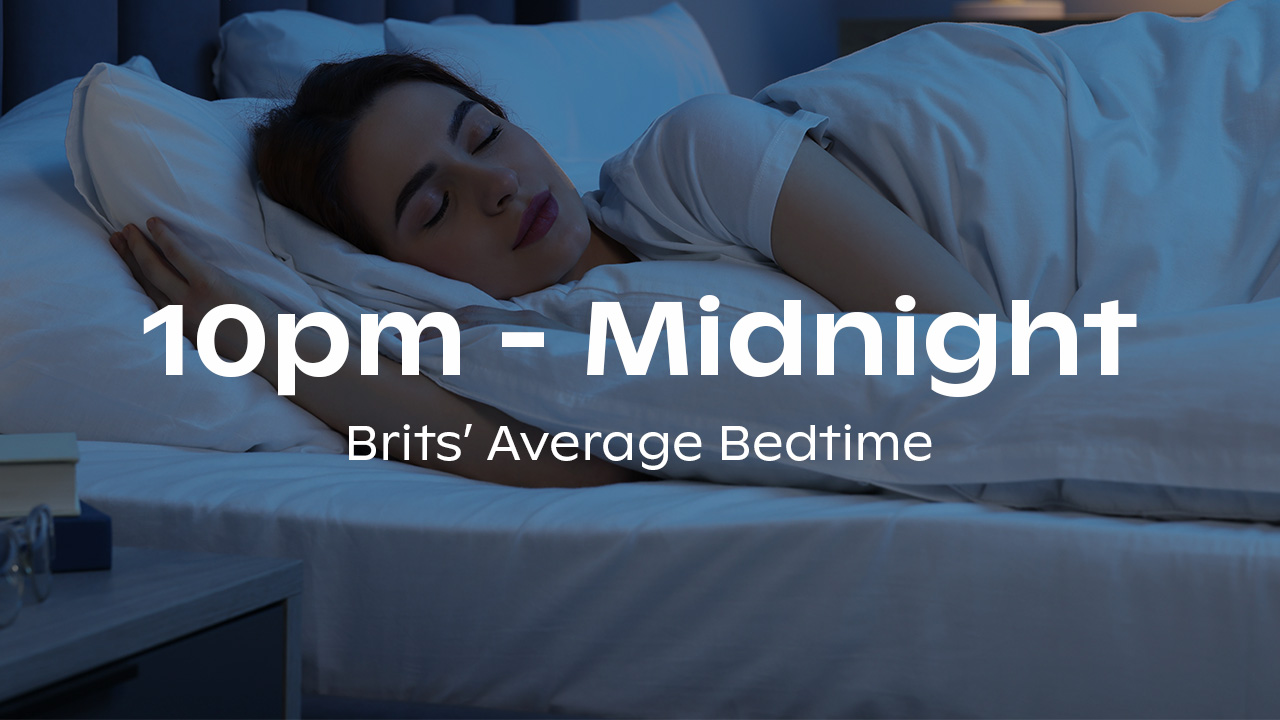
According to a 2022 study conducted by Direct Line, 71% of Brits do not get the recommended 7-9 hours of sleep per night, with 14% (7.5 million people) getting less than 5 hours, levels which are considered “dangerously low”.

Recommended Hours of Sleep Per Day

According to The National Sleep Foundation, our sleep requirements change with age and lifestyle, and their guidelines show just how much you should be getting. Are you?


Category Hours of Sleep Needed Per Day
New-born babies 14-17 hours
Children 9-11 hours
Adolescents 8-10 hours
Adults up to 64 7-9 hours
Adults over 64 7-8 hours

In 2024, a team of researchers University of Southampton in the UK, and Stanford University and Harvard University in the United States discovered variations in men’s and women’s body clocks and circadian rhythms

Women also tend to take longer to fall asleep, with 20% more likely to take over an hour to drift off compared to 14% of men.

“Melatonin, a hormone that helps with the timing of circadian rhythms and sleep, is secreted earlier in women than men. Core body temperature, which is at its highest before sleep and its lowest a few hours before waking, follows a similar pattern, reaching its peak earlier in women than in men.”

Dr Sophie BostockDr Sophie Bostock

Discover more Great British sleep stats

Sleeping with a partner

sleep health

sleep distractions

Related Articles