


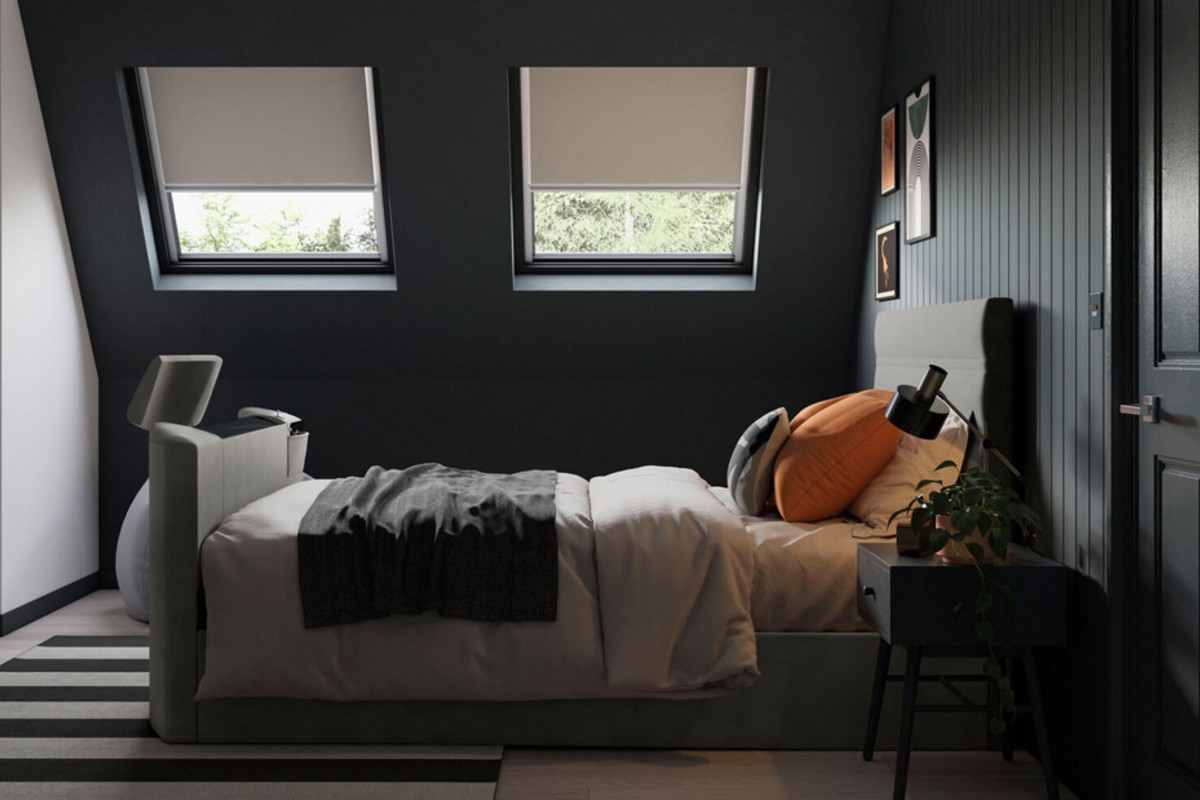
What Makes a Bedroom Feel Comfortable at Any Age
 Gemma Henry
Your bedroom should be your sanctuary. A place where you can escape, recharge, and just be yourself. But what exactly makes a bedroom “comfortable”? Is it about having the trendiest décor, the softest sheets, or the latest gadgets? The truth is, comfort isn’t one-size-fits-all, and it isn’t just about luxury; it’s about creating a space that feels right for you, no matter your age.
Let’s dive in, from teens who just want a cozy nook for scrolling through social media, to adults craving a peaceful retreat, and even in our senior years, when we’re looking for a safe and soothing space.
1. The Bed: Your Throne of Comfort
It might seem obvious, but the bed is the heart of the bedroom. A comfortable mattress is non-negotiable – and comfort here is very personal. Some people love a firm mattress that supports their back, while others sink blissfully into a cloud-like softness.
Pro tip: don’t forget about pillows. The right pillow can make a huge difference to your neck and spine alignment, and a variety of pillow types lets you switch things up depending on your mood or sleeping position.
Age-wise, teenagers and young adults might prioritise fun, quirky bedding or a mattress that’s just “soft enough to nap on after uni,” whereas adults and seniors often look for ergonomic support and long-term durability. Memory foam or hybrid mattresses are great middle-ground options that tend to suit a wide range of sleepers.
2. Lighting: Mood and Functionality
Lighting can make or break the feel of a bedroom. Too harsh, and it feels clinical; too dim, and you’re constantly squinting or fumbling. Ideally, you want a mix: overhead lighting for general illumination, task lighting for reading or work, and soft, ambient lighting for winding down.
Fairy lights, table lamps, or dimmable LEDs can instantly make a space feel warmer and cosier and are perfect for any age. A teenage bedroom might have LED strips in funky colours for that “cool” vibe, while an older adult might prefer warm white bulbs that are gentle on the eyes.
3. Temperature and Air Quality
It’s easy to overlook, but temperature plays a massive role in comfort. Most of us sleep better in a slightly cooler room, but it should also feel cosy, not chilly. Invest in good bedding suited for the season – lightweight linens for summer, cosy duvets for winter.
Air quality matters too. If your bedroom feels stuffy or damp, it won’t feel comfortable no matter how stylish it is. Opening a window when you can, using a small fan or air purifier, and adding a few houseplants can all help improve the air and give the room a fresher, more inviting feel.
4. Personal Touches: Make It Yours
Comfort is about more than furniture and bedding; it’s about feeling at home. Personal touches are key. Photos, artwork, favourite trinkets, or even a scented candle can make a space feel uniquely yours.
Teenagers might hang posters of bands, movie memorabilia, or fairy lights, while adults might prefer framed photos, books, or small mementoes from travels. Older adults often appreciate items that evoke nostalgia or provide a sense of calm, like soft blankets or cherished keepsakes. The point is, your bedroom should tell a story about you.
5. Declutter, But Keep Essentials
A cluttered bedroom can feel chaotic and stressful, no matter how many cushions you have. Keeping things tidy doesn’t mean minimalism has to rule. It’s about balance. Make sure everyday essentials are easy to access, but don’t let surfaces become dumping grounds.
Storage solutions are key. Under-bed drawers, floating shelves, and multifunctional furniture help keep clutter at bay. Teenagers might have gadgets and clothes everywhere, adults often have work-related items, and older adults might need everything within easy reach. Thoughtful storage keeps the space functional and relaxing for all ages.
6. Textures and Fabrics: The Feeling Factor
Softness, warmth, and texture can dramatically influence comfort. Think cosy rugs underfoot, thick curtains, or a plush throw on the bed. Layering fabrics – cotton sheets, a woollen blanket, a velvety cushion – adds depth and a tactile sense of luxury.
Younger people might enjoy quirky textures or patterned fabrics that make the room fun, while adults often prefer subtle, calming tones and smooth textures. Older adults might benefit from extra soft fabrics that are gentle on sensitive skin. Texture isn’t just visual; it’s something you feel, and that feeling is central to comfort.
7. Sound Matters
Noise can sabotage comfort, whether it’s traffic outside, a noisy flatmate, or just your own thoughts keeping you awake. Consider ways to soften sound. Thick curtains, carpets, and even white noise machines can make a big difference.
For children and teenagers, playful soundproofing ideas like rugs or wall panels can help create a quieter study-sleep environment. Adults might invest in higher-quality noise-reducing windows or a good white noise app, while older adults often benefit from a calmer, serene environment to support restful sleep.
8. Technology: Friend or Foe?
Technology is a double-edged sword in the bedroom. On one hand, gadgets like reading lights, smart thermostats, or a good music setup can enhance comfort. On the other, phones, laptops, and TVs can disrupt sleep and make the room feel less restful.
Setting boundaries – like a tech-free zone at bedtime – can help. A teen might keep a phone nearby but switch on night mode, adults might keep a tablet on the bedside table for reading, and older adults might enjoy a simple, serene room without the constant buzz of notifications.
9. Flexibility and Adaptability
One of the hallmarks of a comfortable bedroom is adaptability. Life changes, and so do your needs. A room that can evolve with you is always a good investment.
Modular furniture, adjustable lighting, and versatile storage solutions make it easy to tweak your bedroom for changing tastes or physical needs. Teenagers might change their décor with the latest trends, adults might repurpose a workspace corner, and older adults may need to adjust furniture for mobility or ease of access. A room that grows with you is a room that always feels comfortable.
10. The Intangible Feeling: Peace
Finally, comfort isn’t just about objects or temperature – it’s about feeling at peace. A bedroom should be your refuge. That might mean a corner for reading, a window with natural light, or just a clutter-free zone where you can breathe.
Age doesn’t change the need for calm. Teens need a space to retreat from the world, adults need a break from work and life stress, and older adults often crave a serene environment where they can relax without distractions. The most comfortable bedrooms are those that help you feel calm, safe, and at home.
The bottom Line
Comfortable bedrooms aren’t defined by age, budget, or trends. They’re defined by a mix of practical choices, sensory elements, and personal touches that make you feel you.
Whether you’re 16 or 66, your bedroom should be a haven. Think about your needs, your habits, and what makes you feel happy and relaxed. Layer in personal touches, pay attention to sensory comfort, and don’t forget about the little details like lighting and sound. In the end, a bedroom that feels right is a bedroom that truly feels comfortable at any age.
Gemma Henry - Content Lead
Gemma finds sleep fascinating and describes the discovery aspect of her role as eye-opening. Her keen eye for detail and dedication to thorough research ensures that Bensons customers get the informative sleep-based advice they're looking for.


