


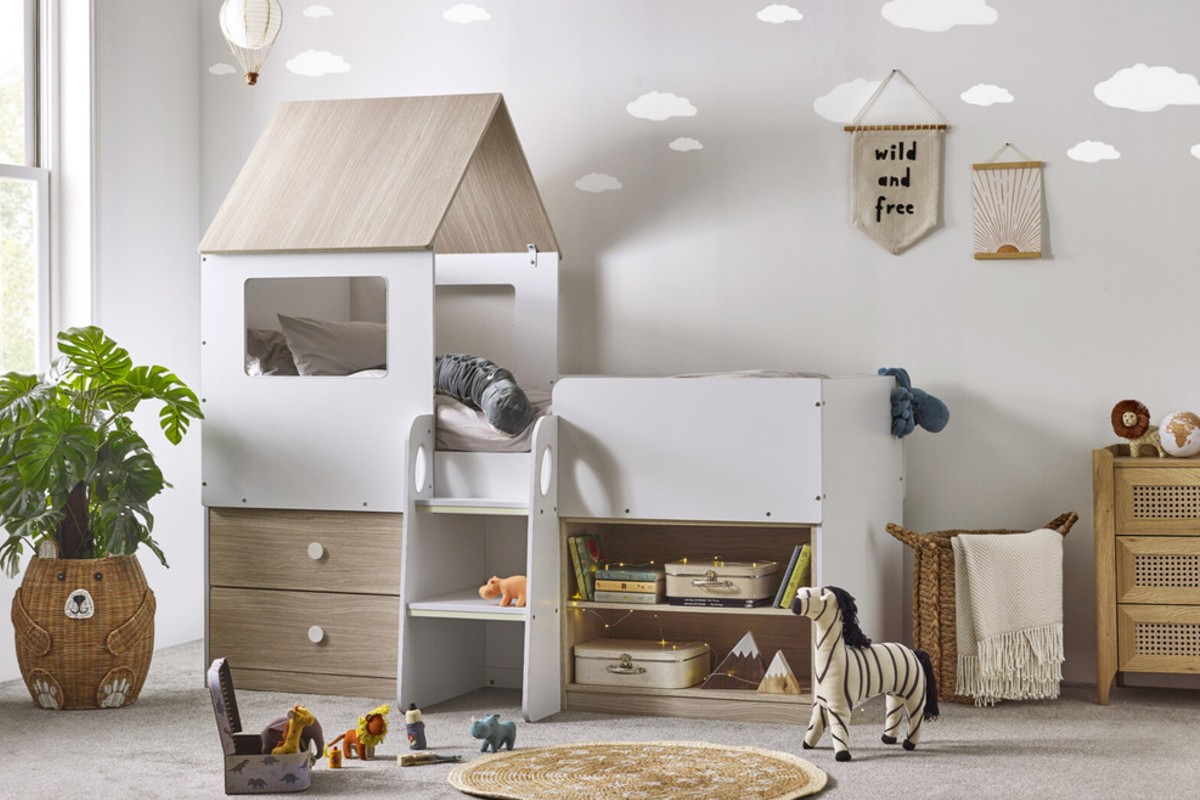
Mid Sleeper vs Cabin Bed: What's the Difference?
 Gemma Henry
If you’re shopping for a kids’ bed in the UK, chances are you’ve come across the terms mid sleeper and cabin bed. At first glance they can look pretty similar; both bed types lift the mattress off the floor and create extra space underneath. But once you start comparing them properly, you’ll realise they’re designed with slightly different purposes in mind.
Whether you’re trying to save space in a smaller bedroom or simply want something more fun and practical than a standard single bed, understanding the difference between a mid sleeper and a cabin bed can make choosing much easier.
Let’s take a closer look at what each option offers and which one might be the best fit for your home.
Mid Sleeper vs High Sleeper
One of the biggest sources of confusion when buying kids’ beds is the difference between mid sleepers and high sleepers. They sound similar, but the height makes a big difference in how the bed is used. They sound similar, but the height makes a big difference in how the bed is used.
A mid sleeper sits roughly halfway between the floor and a traditional bunk bed height. Typically, the mattress is raised about 90–120 cm off the ground. This creates usable storage space underneath without making the bed too high for younger children.
Most mid sleepers include features such as:
-
Built-in drawers
-
Shelving units
-
Pull-out desks
-
Play spaces underneath
Because they aren’t too tall, mid sleepers are usually recommended for children aged six and above.
A high sleeper, on the other hand, is much taller; often the same height as the top bunk of a bunk bed. The extra height allows for bigger furniture underneath, such as a full desk, wardrobe, or sofa area.
High sleepers are great for older children and teenagers, but they can feel quite imposing in smaller bedrooms or rooms with lower ceilings. Mid sleepers tend to feel more open and accessible, which is why they’re often the more popular choice for primary school-age children.
Cabin Bed vs Bunk Bed
Another comparison people often make is cabin beds vs bunk beds, but they serve quite different purposes.
A bunk bed is designed for two sleepers, with one bed stacked above the other. They’re ideal for siblings sharing a room or for sleepovers when space is limited.
A cabin bed, however, usually has just one sleeping area. Instead of a second bed underneath, the space below is used for storage or furniture.
You’ll often see cabin beds with:
-
Drawers built into the base
-
Shelves along the sides
-
Small wardrobes or cupboards
-
Integrated desks
In many cases, a mid sleeper is actually a type of cabin bed — just one that’s raised higher off the ground. Lower cabin beds might only sit slightly above floor level and focus mainly on storage drawers rather than play space or desks.
So the key difference is simple:
-
Bunk beds = two sleeping spaces
-
Cabin beds = one bed plus storage or furniture
If you only need one bed but want to maximise storage in a child’s room, a cabin bed can be a brilliant solution.
Benefits of a Mid Sleeper Bed
Mid sleeper beds have become incredibly popular in UK homes over the last decade, and it’s not hard to see why. They combine practicality, space-saving design, and a bit of fun for kids.
Here are some of the biggest benefits.
1. Great for Saving Space
Children’s bedrooms aren’t always the biggest, especially in newer homes or flats. A mid sleeper makes better use of vertical space, freeing up the floor area that would normally be taken up by storage furniture.
You can often replace several pieces of furniture with one bed.
2. Built-In Storage
Many mid sleepers include drawers, cupboards, or shelves underneath. This makes it much easier to keep toys, books, and clothes organised without filling the room with extra storage units.
For parents, that can mean less clutter and easier tidying.
3. Room for a Desk or Study Area
Some mid sleeper designs include a pull-out desk or a dedicated study space underneath the bed. This is perfect for children starting school who need a quiet place for homework.
Instead of squeezing a desk into the room, it’s already built into the bed frame.
4. Fun for Kids
Kids love them.
Climbing the ladder and having a little den or play space underneath the bed can make bedtime far more exciting. Some designs even include tents, slides, or themed panels that turn the bed into a mini adventure space.
5. Encourages Independence
Because mid sleepers are easy to climb and not overly high, they help children feel a bit more independent without the risks that come with very tall beds.
Disadvantages of a Cabin Bed
While cabin beds and mid sleepers can be incredibly practical, they’re not perfect for every household. There are a few potential downsides to consider before buying one.
1. They Can Be Bulky
Cabin beds often have built-in furniture, which means the frame itself can be quite large. If the bedroom is extremely small, the bed might dominate the space more than expected.
Measuring carefully is essential before purchasing.
2. Limited Flexibility
Because storage and furniture are integrated into the frame, you usually can’t rearrange the layout as easily as you could with separate furniture pieces.
If your child’s needs change as they grow older, the bed may feel less adaptable.
3. Assembly Can Be Time-Consuming
Cabin beds often arrive in multiple boxes and require a fair amount of assembly. Depending on the model, putting everything together can take several hours.
If DIY isn’t your favourite activity, it might be worth checking whether assembly services are available.
4. Not Suitable for Younger Children
Even lower cabin beds still involve climbing up into the sleeping area. For toddlers or very young children, a standard low bed is usually a safer option.
Best Mid Sleeper Beds for Small Rooms
If you’re working with limited space, choosing the right mid sleeper design can make a huge difference.
Here are a few features worth looking for.
Compact Storage Layouts
Some mid sleepers use a combination of drawers and shelves rather than large cupboards. These designs tend to feel lighter and less bulky, which works better in small rooms.
Pull-Out Desks
A pull-out desk is ideal for smaller spaces because it can be tucked away when not in use. This keeps the room feeling more open while still giving your child a dedicated study area.
Corner-Friendly Designs
Some models are designed to fit neatly into corners, making better use of awkward spaces and leaving more floor area free for play.
Light Colours and Open Frames
White or light wood mid sleeper and cabin bed frames often make a room feel brighter and less cramped. Open shelving rather than solid panels can also help the bed look less heavy in the space.
Mid Sleepers vs Cabin Beds: Final Thoughts
Both mid sleeper beds and cabin beds are fantastic space-saving options for children’s bedrooms. The right choice really depends on how you want to use the space underneath the bed.
If you want a fun, slightly elevated bed with room for storage, desks, or play areas, a mid sleeper is usually the best option. If you prefer a lower bed focused mainly on built-in storage, a traditional cabin bed may be the better fit.
Either way, these clever designs can help transform a cluttered bedroom into a much more organised and functional space, while also giving kids a bed they’ll actually be excited about climbing into at night.
Gemma Henry - Content Lead
Gemma finds sleep fascinating and describes the discovery aspect of her role as eye-opening. Her keen eye for detail and dedication to thorough research ensures that Bensons customers get the informative sleep-based advice they're looking for.


